Innovating HR: Trends to Lead the Workforce of the Future
Dr. Shefali Pawar, Mr. Anurag Agarwal
Paperback
• 240 Pages
• inr 399.00
• English
• 9789349566262
No ratings yet
| Publisher | Bharti Publications |
|---|---|
| Brand/Group | Bharti Publications |
| ISBN13 | 9789349566262 |
| ASIN/SKU | 9349566265 |
| Book Format | Paperback |
| Language | English |
| Pages | 240 |
| List Price | inr 399.00 |
| Publishing Date | 19/09/2025 |
| Dimensions | 15.6 x 2 x 23.75 |
| Weight | 240 |
| Book Code | BD00069492 |
Buy this Book
Amazon Stores
Ebook Stores
Other Stores
Discover Innovating HR: Trends to Lead the Workforce of the Future by Dr. Shefali Pawar. This book is published by Bharti Publications in Paperback format, ISBN 9789349566262, ASIN 9349566265, under Human Resources.
Book Description
Innovating HR: Trends to Lead the Workforce of the Future is born out of the recognition that the future of HR will be defined by agility, creativity, and foresight. As organizations navigate challenges such as the rise of artificial intelligence, the gig economy, sustainability, inclusivity, and employee well-being, HR professionals must embrace innovation to remain relevant and impactful. The chapters in this volume bring together cutting-edge trends, research insights, and practical strategies that highlight how HR can drive competitiveness and resilience. This book provokes new ideas, and encourages HR leaders, academics, and students to envision a future where people and organizations thrive together. Innovating HR is not an option—it is a necessity. The future of work is already here, and it is our responsibility to lead it with wisdom, courage, and innovation.
Author Biography
Dr. Shefali Panwar is an accomplished academician and professional with over 15 years of extensive experience in academia and the corporate sector. Currently serving as an Associate Professor at KCC Institute of Legal and Higher Education, Dr. Panwar holds a Ph.D., an MBA in Human Resource Management, and an M.A. in Economics.
Mr. Anurag Agarwal stands as a paragon of excellence and versatility. A Gold Medalist with over 21 years of extensive experience, Mr. Agarwal seamlessly integrates corporate acumen, academic prowess and research expertise. Holding a B.Tech and an MBA, Presently, he serves as an Assistant Professor in Department of MBA at IMS Engineering College, Ghaziabad, UP.
Dr. Poyam Sharma is an Associate Professor at Mangalmay Institute of Management and Technology, Greater Noida. She earned her Ph.D. in Management following her MBA in Human Resource and Finance. With 15 years of teaching and research experience
Mr. Anurag Agarwal stands as a paragon of excellence and versatility. A Gold Medalist with over 21 years of extensive experience, Mr. Agarwal seamlessly integrates corporate acumen, academic prowess and research expertise. Holding a B.Tech and an MBA, Presently, he serves as an Assistant Professor in Department of MBA at IMS Engineering College, Ghaziabad, UP.
Dr. Poyam Sharma is an Associate Professor at Mangalmay Institute of Management and Technology, Greater Noida. She earned her Ph.D. in Management following her MBA in Human Resource and Finance. With 15 years of teaching and research experience
Editorial Reviews
Editorial Reviews will be added soon…
Book Summary
Innovating HR: Trends to Lead the Workforce of the Future is a forward-looking and insightful volume that explores the transformative forces reshaping human resource management in the twenty-first century. As organizations across the globe confront unprecedented technological, economic, and social changes, the role of Human Resources has evolved far beyond traditional personnel management. Today, HR stands at the forefront of organizational strategy, driving innovation, fostering resilience, nurturing talent, and creating workplaces that are adaptable, inclusive, and future-ready. This book is designed to equip HR professionals, business leaders, researchers, educators, and students with the knowledge and perspectives needed to navigate this rapidly changing landscape.
The inspiration behind this volume stems from the recognition that the future of work is already unfolding. Emerging technologies, demographic shifts, evolving employee expectations, and global disruptions have fundamentally altered the relationship between organizations and their workforce. Success in this new environment requires HR professionals to move beyond conventional practices and embrace innovation as a strategic imperative. Rather than simply responding to change, HR must become a catalyst for transformation by anticipating future challenges, designing people-centric solutions, and enabling sustainable organizational growth.
The chapters in this edited volume bring together contemporary research, practical experiences, and innovative perspectives from scholars and practitioners across diverse sectors. Each contribution examines critical trends influencing the future of human resource management while offering actionable strategies for addressing emerging workplace challenges. The collective insights presented throughout the book demonstrate that effective HR leadership is rooted not only in operational excellence but also in creativity, adaptability, and strategic vision.
A major focus of the book is the growing influence of artificial intelligence and digital technologies on HR practices. From AI-driven recruitment and intelligent talent acquisition to predictive workforce analytics, automated performance management, and personalized employee learning, technology is redefining how organizations attract, develop, and retain talent. The book explores both the opportunities and ethical considerations associated with digital transformation, encouraging HR leaders to balance technological efficiency with human values, fairness, transparency, and responsible decision-making.
Another important theme is the changing nature of employment in an increasingly flexible economy. The rise of the gig economy, remote work, hybrid workplaces, freelancing, and project-based employment has transformed traditional workforce structures. Organizations are now managing diverse talent ecosystems comprising permanent employees, contingent workers, consultants, and digital collaborators. The book examines how HR policies and practices must evolve to manage this diversity while maintaining employee engagement, organizational culture, and productivity across geographically dispersed teams.
The volume also places significant emphasis on employee well-being and mental health, recognizing that organizational success depends upon a healthy, motivated, and engaged workforce. Modern HR extends beyond compensation and compliance to include holistic approaches that support physical health, psychological safety, emotional resilience, and work-life integration. Contributors discuss innovative wellness initiatives, flexible work arrangements, employee assistance programmes, and leadership practices that foster trust, belonging, and long-term employee satisfaction.
Diversity, equity, inclusion, and belonging (DEIB) form another central pillar of the book. Inclusive organizations consistently demonstrate stronger innovation, better decision-making, and improved business performance. The chapters explore strategies for eliminating bias in recruitment, promoting equitable career advancement, creating psychologically safe workplaces, supporting diverse talent, and cultivating cultures where every employee feels respected and empowered. By embedding inclusivity into organizational strategy, HR can contribute significantly to social justice while enhancing organizational effectiveness.
Sustainability and responsible business practices also receive thoughtful attention throughout the volume. As environmental, social, and governance (ESG) priorities become increasingly important, HR professionals play a critical role in promoting sustainable organizational cultures, ethical leadership, and responsible workforce practices. The book highlights how HR contributes to sustainability by integrating environmental awareness, corporate social responsibility, ethical governance, and employee engagement into talent management and organizational development initiatives.
The book further examines leadership development and continuous learning as essential drivers of future organizational success. Rapid technological change and evolving business models require employees to continuously update their knowledge and skills. Contributors discuss innovative approaches to learning and development, digital learning platforms, reskilling and upskilling initiatives, leadership coaching, mentoring, and talent development strategies that prepare organizations for future workforce demands. Emphasis is placed on cultivating agile leaders capable of managing uncertainty, inspiring innovation, and leading diverse teams through continuous transformation.
One of the defining strengths of Innovating HR is its ability to combine academic rigour with practical relevance. The chapters present evidence-based research alongside real-world examples, organizational case studies, and actionable recommendations that enable readers to apply theoretical concepts within professional settings. This balance makes the book valuable not only as a university textbook but also as a practical guide for HR managers, consultants, policymakers, entrepreneurs, and corporate leaders seeking to modernize their people practices.
The collaborative nature of the volume enriches its perspective by bringing together contributions from experts representing different disciplines, industries, and regions. This diversity reflects the global character of contemporary human resource management and provides readers with a broad understanding of how HR innovation is being implemented across various organizational and cultural contexts.
The book also encourages readers to adopt a proactive mindset towards change. Rather than viewing emerging technologies or shifting workforce expectations as challenges alone, it presents them as opportunities to redesign work, strengthen organizational culture, enhance employee experiences, and build resilient institutions capable of thriving in uncertain environments. Innovation in HR is presented not merely as the adoption of new technologies but as the continuous reimagining of leadership, talent management, organizational development, and employee engagement.
Ultimately, Innovating HR: Trends to Lead the Workforce of the Future is both a visionary and practical resource that inspires readers to rethink the future of human resource management. It challenges conventional assumptions, introduces emerging ideas, and provides strategic insights that enable organizations to remain competitive in an increasingly dynamic world. As the future of work continues to evolve, the book serves as a valuable guide for those committed to building workplaces where people and organizations grow together through innovation, inclusivity, resilience, and responsible leadership. More than a collection of contemporary HR practices, it is a call to action for leaders to embrace change with wisdom, courage, and creativity, ensuring that human potential remains at the centre of organizational success in the decades ahead.
The inspiration behind this volume stems from the recognition that the future of work is already unfolding. Emerging technologies, demographic shifts, evolving employee expectations, and global disruptions have fundamentally altered the relationship between organizations and their workforce. Success in this new environment requires HR professionals to move beyond conventional practices and embrace innovation as a strategic imperative. Rather than simply responding to change, HR must become a catalyst for transformation by anticipating future challenges, designing people-centric solutions, and enabling sustainable organizational growth.
The chapters in this edited volume bring together contemporary research, practical experiences, and innovative perspectives from scholars and practitioners across diverse sectors. Each contribution examines critical trends influencing the future of human resource management while offering actionable strategies for addressing emerging workplace challenges. The collective insights presented throughout the book demonstrate that effective HR leadership is rooted not only in operational excellence but also in creativity, adaptability, and strategic vision.
A major focus of the book is the growing influence of artificial intelligence and digital technologies on HR practices. From AI-driven recruitment and intelligent talent acquisition to predictive workforce analytics, automated performance management, and personalized employee learning, technology is redefining how organizations attract, develop, and retain talent. The book explores both the opportunities and ethical considerations associated with digital transformation, encouraging HR leaders to balance technological efficiency with human values, fairness, transparency, and responsible decision-making.
Another important theme is the changing nature of employment in an increasingly flexible economy. The rise of the gig economy, remote work, hybrid workplaces, freelancing, and project-based employment has transformed traditional workforce structures. Organizations are now managing diverse talent ecosystems comprising permanent employees, contingent workers, consultants, and digital collaborators. The book examines how HR policies and practices must evolve to manage this diversity while maintaining employee engagement, organizational culture, and productivity across geographically dispersed teams.
The volume also places significant emphasis on employee well-being and mental health, recognizing that organizational success depends upon a healthy, motivated, and engaged workforce. Modern HR extends beyond compensation and compliance to include holistic approaches that support physical health, psychological safety, emotional resilience, and work-life integration. Contributors discuss innovative wellness initiatives, flexible work arrangements, employee assistance programmes, and leadership practices that foster trust, belonging, and long-term employee satisfaction.
Diversity, equity, inclusion, and belonging (DEIB) form another central pillar of the book. Inclusive organizations consistently demonstrate stronger innovation, better decision-making, and improved business performance. The chapters explore strategies for eliminating bias in recruitment, promoting equitable career advancement, creating psychologically safe workplaces, supporting diverse talent, and cultivating cultures where every employee feels respected and empowered. By embedding inclusivity into organizational strategy, HR can contribute significantly to social justice while enhancing organizational effectiveness.
Sustainability and responsible business practices also receive thoughtful attention throughout the volume. As environmental, social, and governance (ESG) priorities become increasingly important, HR professionals play a critical role in promoting sustainable organizational cultures, ethical leadership, and responsible workforce practices. The book highlights how HR contributes to sustainability by integrating environmental awareness, corporate social responsibility, ethical governance, and employee engagement into talent management and organizational development initiatives.
The book further examines leadership development and continuous learning as essential drivers of future organizational success. Rapid technological change and evolving business models require employees to continuously update their knowledge and skills. Contributors discuss innovative approaches to learning and development, digital learning platforms, reskilling and upskilling initiatives, leadership coaching, mentoring, and talent development strategies that prepare organizations for future workforce demands. Emphasis is placed on cultivating agile leaders capable of managing uncertainty, inspiring innovation, and leading diverse teams through continuous transformation.
One of the defining strengths of Innovating HR is its ability to combine academic rigour with practical relevance. The chapters present evidence-based research alongside real-world examples, organizational case studies, and actionable recommendations that enable readers to apply theoretical concepts within professional settings. This balance makes the book valuable not only as a university textbook but also as a practical guide for HR managers, consultants, policymakers, entrepreneurs, and corporate leaders seeking to modernize their people practices.
The collaborative nature of the volume enriches its perspective by bringing together contributions from experts representing different disciplines, industries, and regions. This diversity reflects the global character of contemporary human resource management and provides readers with a broad understanding of how HR innovation is being implemented across various organizational and cultural contexts.
The book also encourages readers to adopt a proactive mindset towards change. Rather than viewing emerging technologies or shifting workforce expectations as challenges alone, it presents them as opportunities to redesign work, strengthen organizational culture, enhance employee experiences, and build resilient institutions capable of thriving in uncertain environments. Innovation in HR is presented not merely as the adoption of new technologies but as the continuous reimagining of leadership, talent management, organizational development, and employee engagement.
Ultimately, Innovating HR: Trends to Lead the Workforce of the Future is both a visionary and practical resource that inspires readers to rethink the future of human resource management. It challenges conventional assumptions, introduces emerging ideas, and provides strategic insights that enable organizations to remain competitive in an increasingly dynamic world. As the future of work continues to evolve, the book serves as a valuable guide for those committed to building workplaces where people and organizations grow together through innovation, inclusivity, resilience, and responsible leadership. More than a collection of contemporary HR practices, it is a call to action for leaders to embrace change with wisdom, courage, and creativity, ensuring that human potential remains at the centre of organizational success in the decades ahead.
Sample Chapters
Sample Chapters will be added soon…
Reader Reviews
No reviews yet.
Innovating HR: Trends to Lead the Workforce of the Future
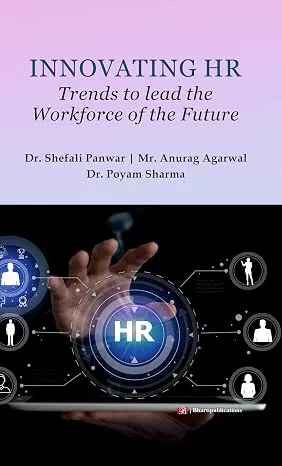
Download Cover Image
Do you want to download the full cover image for Innovating HR: Trends to Lead the Workforce of the Future?