
Political Communication in the Digital Age: Contemporary Issues and Perspectives from India
Alfarid Hussain Rishikesh Kumar Gautam, Prof. Sunil Kanta Behera
Hardcover
• 219 Pages
• inr 885.00
• English
• 9788119079131
No ratings yet
| Publisher | Bharti Publications |
|---|---|
| Brand/Group | Bharti Publications |
| ISBN13 | 9788119079131 |
| ASIN/SKU | 8119079132 |
| Book Format | Hardcover |
| Language | English |
| Pages | 219 |
| List Price | inr 885.00 |
| Publishing Date | 16/03/2023 |
| Dimensions | 13.75 x 2 x 21.25 |
| Weight | 490 |
| Book Code | BD00069512 |
Buy this Book
Amazon Stores
Ebook Stores
Other Stores
Discover Political Communication in the Digital Age: Contemporary Issues and Perspectives from India by Alfarid Hussain Rishikesh Kumar Gautam. This book is published by Bharti Publications in Hardcover format, ISBN 9788119079131, ASIN 8119079132, under Politics.
Book Description
Political communication in India has undergone a sea change in the age of digital media. The emergence of digital platforms has opened up new avenues for politicians to reach out to the masses and connect with voters in real-time. Social media has given a voice to citizens and has made it easier for them to voice their opinions and concerns. It has also created a new dimension for political discourse and public engagement. Today, politicians have a much wider reach through social media platforms like Twitter, Facebook, and Instagram. They can reach out to millions of people with a single post and engage with them in real-time. This book explores the complexities of political communication in the digital age and the challenges and opportunities it presents. The authors bring a wealth of expertise and experience to the table, covering topics such as the role of social media in political campaigns, the impact of digital communication on political polarization, the role of digital technologies in promoting civic engagement and public participation, and offer insights and recommendations for navigating these complex issues. The contributors' in-depth analysis of the current state of political communication in the digital age provides a valuable resource for scholars, policymakers, and the general public alike. This book is an important contribution to the growing body of literature on political communication in the digital age. The authors provide a valuable resource for anyone interested in understanding the complex and rapidly evolving landscape of political communication and the role of digital technologies in shaping political discourse and civic engagement. Whether you are a scholar, a political leader, or a concerned citizen, this book offers insights and recommendations that are essential reading in today's digital age.
Author Biography
Author Biography will be added soon…
Editorial Reviews
Editorial Reviews will be added soon…
Book Summary
Political Communication in the Digital Age examines the profound transformation of political communication in India in an era shaped by digital technologies, social media platforms, and rapidly evolving information ecosystems. As political engagement increasingly shifts from traditional media to online spaces, digital platforms have emerged as powerful instruments for political dialogue, electoral campaigns, public participation, and democratic engagement. This book provides a comprehensive exploration of how digital communication is redefining the relationship between political leaders, institutions, the media, and citizens, while critically analysing the opportunities and challenges associated with this transformation.
The digital revolution has fundamentally altered the way political information is created, disseminated, and consumed. Platforms such as Twitter (X), Facebook, Instagram, YouTube, and other social media networks have enabled political actors to communicate directly with millions of citizens in real time, bypassing many of the traditional gatekeepers of information. At the same time, citizens have gained unprecedented opportunities to express opinions, mobilize support, participate in public debates, and hold governments accountable. This democratization of communication has expanded the public sphere, making political discourse more immediate, interactive, and participatory than ever before.
This edited volume brings together the expertise of scholars, researchers, and practitioners to examine the multiple dimensions of political communication in the digital era. Through interdisciplinary perspectives, the contributors analyse how digital technologies are influencing electoral politics, governance, public opinion, civic participation, media practices, and democratic institutions. By combining theoretical insights with empirical analysis and contemporary case studies, the book provides readers with a balanced understanding of the evolving landscape of political communication in India and beyond.
One of the central themes of the book is the role of social media in political campaigns. The contributors explore how political parties and leaders increasingly rely on digital platforms to communicate policy agendas, engage with voters, manage public perception, and conduct election campaigns. The book examines the strategic use of digital advertising, online campaigning, targeted messaging, political branding, influencer engagement, and data-driven communication techniques that have become integral components of modern electoral politics. These discussions demonstrate how technology has transformed political campaigning into a continuous, interactive process rather than a periodic electoral activity.
The volume also investigates the impact of digital communication on political polarization and public opinion. While social media has expanded access to information and encouraged public participation, it has also contributed to challenges such as misinformation, disinformation, echo chambers, algorithmic bias, and ideological polarization. The contributors critically analyse how digital platforms influence political attitudes, shape public narratives, and affect democratic deliberation. By examining both the benefits and limitations of digital communication, the book encourages readers to engage critically with the information ecosystems that increasingly shape political decision-making.
Another significant area of focus is the role of digital technologies in promoting civic engagement and democratic participation. The book highlights how online platforms have empowered citizens to participate in governance through digital activism, public consultations, social movements, online petitions, and community mobilization. These technologies have strengthened citizen engagement by facilitating greater transparency, accountability, and responsiveness within democratic institutions. The contributors examine how digital communication enables marginalized voices to participate in political discourse while creating new opportunities for collaborative governance and public policy engagement.
Recognizing that technological innovation continues to reshape democratic processes, the book explores emerging developments in digital communication, including artificial intelligence, big data analytics, algorithmic governance, digital campaigning, and online political behaviour. These discussions provide valuable insights into the future of political communication, highlighting both the opportunities created by technological advancement and the ethical, legal, and regulatory challenges that accompany it. Particular attention is given to issues of privacy, data security, digital surveillance, online manipulation, and the responsible use of technology in democratic societies.
A distinguishing strength of this volume is its interdisciplinary and analytical approach. Drawing from political science, communication studies, media studies, sociology, public policy, and information technology, the contributors present diverse perspectives that enrich the understanding of contemporary political communication. The integration of theoretical frameworks with practical examples, case studies, and policy discussions enables readers to connect academic concepts with real-world political developments.
The book also serves as a valuable resource for understanding the evolving relationship between digital media, governance, and public trust. It examines how governments use digital communication to engage with citizens, disseminate information, manage crises, and deliver public services. At the same time, it addresses the challenges of maintaining credibility, combating misinformation, ensuring transparency, and fostering constructive dialogue in increasingly complex digital environments. These discussions underscore the importance of responsible communication strategies that strengthen democratic institutions while protecting the integrity of public discourse.
Written in a clear and accessible style, the volume successfully balances scholarly rigour with practical relevance. It is designed to benefit a wide range of readers, including students, researchers, educators, policymakers, journalists, communication professionals, political strategists, civil society organizations, and informed citizens interested in understanding the impact of digital technologies on politics and democracy. The contributors' in-depth analyses and evidence-based recommendations provide readers with the tools to critically evaluate the changing nature of political communication and its broader societal implications.
Overall, Political Communication in the Digital Age makes a significant contribution to the growing body of scholarship on digital media and democratic governance. By examining the intersection of politics, technology, and communication, the book offers a comprehensive understanding of how digital platforms are transforming political engagement, electoral processes, public opinion, and civic participation. It encourages readers to reflect on the opportunities and responsibilities that accompany the digitalization of political life while emphasizing the need for ethical, inclusive, and informed communication practices. Whether used as an academic text, a policy reference, or a resource for professional practice, this book provides essential insights into one of the most dynamic and influential aspects of contemporary democracy.
The digital revolution has fundamentally altered the way political information is created, disseminated, and consumed. Platforms such as Twitter (X), Facebook, Instagram, YouTube, and other social media networks have enabled political actors to communicate directly with millions of citizens in real time, bypassing many of the traditional gatekeepers of information. At the same time, citizens have gained unprecedented opportunities to express opinions, mobilize support, participate in public debates, and hold governments accountable. This democratization of communication has expanded the public sphere, making political discourse more immediate, interactive, and participatory than ever before.
This edited volume brings together the expertise of scholars, researchers, and practitioners to examine the multiple dimensions of political communication in the digital era. Through interdisciplinary perspectives, the contributors analyse how digital technologies are influencing electoral politics, governance, public opinion, civic participation, media practices, and democratic institutions. By combining theoretical insights with empirical analysis and contemporary case studies, the book provides readers with a balanced understanding of the evolving landscape of political communication in India and beyond.
One of the central themes of the book is the role of social media in political campaigns. The contributors explore how political parties and leaders increasingly rely on digital platforms to communicate policy agendas, engage with voters, manage public perception, and conduct election campaigns. The book examines the strategic use of digital advertising, online campaigning, targeted messaging, political branding, influencer engagement, and data-driven communication techniques that have become integral components of modern electoral politics. These discussions demonstrate how technology has transformed political campaigning into a continuous, interactive process rather than a periodic electoral activity.
The volume also investigates the impact of digital communication on political polarization and public opinion. While social media has expanded access to information and encouraged public participation, it has also contributed to challenges such as misinformation, disinformation, echo chambers, algorithmic bias, and ideological polarization. The contributors critically analyse how digital platforms influence political attitudes, shape public narratives, and affect democratic deliberation. By examining both the benefits and limitations of digital communication, the book encourages readers to engage critically with the information ecosystems that increasingly shape political decision-making.
Another significant area of focus is the role of digital technologies in promoting civic engagement and democratic participation. The book highlights how online platforms have empowered citizens to participate in governance through digital activism, public consultations, social movements, online petitions, and community mobilization. These technologies have strengthened citizen engagement by facilitating greater transparency, accountability, and responsiveness within democratic institutions. The contributors examine how digital communication enables marginalized voices to participate in political discourse while creating new opportunities for collaborative governance and public policy engagement.
Recognizing that technological innovation continues to reshape democratic processes, the book explores emerging developments in digital communication, including artificial intelligence, big data analytics, algorithmic governance, digital campaigning, and online political behaviour. These discussions provide valuable insights into the future of political communication, highlighting both the opportunities created by technological advancement and the ethical, legal, and regulatory challenges that accompany it. Particular attention is given to issues of privacy, data security, digital surveillance, online manipulation, and the responsible use of technology in democratic societies.
A distinguishing strength of this volume is its interdisciplinary and analytical approach. Drawing from political science, communication studies, media studies, sociology, public policy, and information technology, the contributors present diverse perspectives that enrich the understanding of contemporary political communication. The integration of theoretical frameworks with practical examples, case studies, and policy discussions enables readers to connect academic concepts with real-world political developments.
The book also serves as a valuable resource for understanding the evolving relationship between digital media, governance, and public trust. It examines how governments use digital communication to engage with citizens, disseminate information, manage crises, and deliver public services. At the same time, it addresses the challenges of maintaining credibility, combating misinformation, ensuring transparency, and fostering constructive dialogue in increasingly complex digital environments. These discussions underscore the importance of responsible communication strategies that strengthen democratic institutions while protecting the integrity of public discourse.
Written in a clear and accessible style, the volume successfully balances scholarly rigour with practical relevance. It is designed to benefit a wide range of readers, including students, researchers, educators, policymakers, journalists, communication professionals, political strategists, civil society organizations, and informed citizens interested in understanding the impact of digital technologies on politics and democracy. The contributors' in-depth analyses and evidence-based recommendations provide readers with the tools to critically evaluate the changing nature of political communication and its broader societal implications.
Overall, Political Communication in the Digital Age makes a significant contribution to the growing body of scholarship on digital media and democratic governance. By examining the intersection of politics, technology, and communication, the book offers a comprehensive understanding of how digital platforms are transforming political engagement, electoral processes, public opinion, and civic participation. It encourages readers to reflect on the opportunities and responsibilities that accompany the digitalization of political life while emphasizing the need for ethical, inclusive, and informed communication practices. Whether used as an academic text, a policy reference, or a resource for professional practice, this book provides essential insights into one of the most dynamic and influential aspects of contemporary democracy.
Sample Chapters
Sample Chapters will be added soon…
Reader Reviews
No reviews yet.
Political Communication in the Digital Age: Contemporary Issues and Perspectives from India
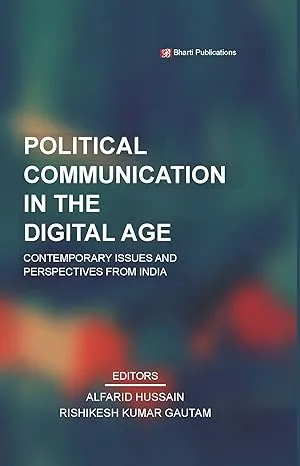
Download Cover Image
Do you want to download the full cover image for Political Communication in the Digital Age: Contemporary Issues and Perspectives from India?