Abrogation of Article 370 & Article 35A: Constitutional Analysis
Prof. (Dr.) Vijender Kumar, Dr. Shailendra Kumar
Hardcover
• 228 Pages
• inr 860.00
• English
• 9789389657623
No ratings yet
| Publisher | Bharti Publications |
|---|---|
| Brand/Group | Bharti Publications |
| ISBN13 | 9789389657623 |
| ASIN/SKU | 9389657628 |
| Book Format | Hardcover |
| Language | English |
| Pages | 228 |
| List Price | inr 860.00 |
| Dimensions | 13.75 x 2.5 x 21.25 |
| Weight | 460 |
| Book Code | BD00070122 |
Buy this Book
Amazon Stores
Ebook Stores
Other Stores
Discover Abrogation of Article 370 and Article 35A: Constitutional Analysis by Prof. (Dr.) Vijender Kumar. This book is published by Bharti Publications in Hardcover format, ISBN 9789389657623, ASIN 9389657628.
Book Description
CONTENTS 1. Kashmir & Carl Schmitt: An Attempt to Justify 2 the Abrogation of Article 370 2. Abrogation of Article 370 & 35A: A Constitutional 17 Analysis 3 The Brighter Side of Jammu & Kashmir: Post 29 The Jammu and Kashmir Reorganization Act, 2019 4. Article 35A: A Treachery to the Ideals of Constitution 40 5. Significance of Article 370 and Article 35A – 55 to Abrogate or to Not Abrogate? 6. Revocation of Article 370: Biggest Betrayal 68 of The Constitutional Principles 7. Abrogation of Article 370 – Constitutional Validity 80 8. Entitlement to Self - Determination as per 94 Indian Constitution and International Jurisprudence 9. Understanding The Right to Self - Determination: 106 with Special Emphasis on Jammu and Kashmir 10. Aftermath of Revoking Article 370 - A Comparison 121 of Pre and Post Amendment J&K Bill, 2019 11. Asymmetrical Federal Structure of India Sans 129 Article 370 12. Asymmetrical Nature of Indian Federalism: 144 Analysis of Special Provision of Various States with Jammu & Kashmir 13. Women’s Property Rights in India with 158 Special Reference to Article 35A and 370 14. Constitutional History of Jammu and Kashmir 174 with Special Reference to AFSPA 15. Indian Federalism: Cooperative or Coercive 186 with Reference to Jammu and Kashmir 16. Faith Under Renovation in Jammu and Kashmir 197 Since 1948: History and Present 17. An Analysis of The Quandary of Internet 212 Shutdowns Laws and Human Rights: A Reflection on The Kashmir Internet Restrictions
Author Biography
Author Biography will be added soon…
Editorial Reviews
Editorial Reviews will be added soon…
Book Summary
Jammu & Kashmir: Constitutional Transformation, Federalism and Human Rights presents a comprehensive and multidisciplinary examination of the constitutional, political, legal, historical, and human-rights dimensions surrounding Jammu and Kashmir. Bringing together scholarly perspectives on the abrogation of Articles 370 and 35A and the subsequent reorganisation of the region, the book explores one of the most significant constitutional developments in contemporary India.
The volume begins by examining the constitutional and political foundations of Articles 370 and 35A and the debates surrounding their abrogation. It critically analyses the constitutional validity of the revocation of Article 370, the legal questions arising from the Jammu and Kashmir Reorganisation Act, 2019, and the implications of these changes for India's constitutional structure. Different perspectives are presented to encourage readers to engage with the continuing debates surrounding constitutional principles, federalism, and the relationship between the Union and the States.
A significant theme of the book is the changing nature of Indian federalism. Jammu and Kashmir historically occupied a distinctive position within India's federal framework, and the removal of its special constitutional provisions raises important questions concerning asymmetrical federalism, constitutional accommodation, cooperative federalism, and the balance of power between the Centre and constituent units. The book compares the former position of Jammu and Kashmir with the special provisions applicable to other states and examines what the constitutional transformation means for the broader federal structure of India.
The book also explores the historical evolution of Jammu and Kashmir, tracing important developments from 1948 onwards. Constitutional history, political developments, security legislation, and the role of the Armed Forces Special Powers Act (AFSPA) are examined to provide readers with a broader understanding of the complex circumstances that have shaped the region.
Another important dimension is the question of self-determination. The volume examines the concept from the perspectives of the Indian Constitution and international jurisprudence and considers its particular relevance to Jammu and Kashmir. These discussions provide an opportunity to understand the relationship between constitutional sovereignty, international law, political aspirations, and the rights of communities.
The book further addresses the impact of constitutional changes on women's property rights, highlighting the relationship between citizenship, constitutional provisions, gender equality, and property rights. It also considers broader social and political developments, including changing faith and identity in Jammu and Kashmir and the region's transformation since 1948.
An important contemporary issue addressed in the volume is the relationship between internet restrictions, human rights, and law. The discussion of internet shutdowns in Jammu and Kashmir examines the tension between governmental authority, security considerations, freedom of expression, access to information, and fundamental human rights in the digital age.
The volume also considers the consequences of the Jammu and Kashmir Reorganisation Act, 2019 by comparing aspects of the region's pre- and post-amendment situation. Through these analyses, the book seeks to provide readers with a nuanced understanding of both the arguments supporting and the criticisms surrounding the constitutional changes.
Rather than presenting a single perspective, the collection brings together diverse scholarly approaches to encourage critical inquiry and informed academic debate. Its chapters examine Jammu and Kashmir through multiple lenses—constitutional law, political science, federalism, history, international jurisprudence, human rights, gender rights, security, and digital freedoms.
The book will be particularly valuable for law students, political science and international relations students, researchers, academicians, legal practitioners, policymakers, constitutional scholars, and readers interested in Jammu and Kashmir and contemporary Indian constitutional affairs.
Ultimately, this volume seeks to deepen understanding of the constitutional transformation of Jammu and Kashmir and its wider implications for Indian federalism, constitutional governance, democratic rights, human rights, and the evolving relationship between the Union and its constituent territories. It provides a valuable foundation for further research and informed discussion on one of the most consequential and contested subjects in contemporary Indian constitutional and political discourse.
The volume begins by examining the constitutional and political foundations of Articles 370 and 35A and the debates surrounding their abrogation. It critically analyses the constitutional validity of the revocation of Article 370, the legal questions arising from the Jammu and Kashmir Reorganisation Act, 2019, and the implications of these changes for India's constitutional structure. Different perspectives are presented to encourage readers to engage with the continuing debates surrounding constitutional principles, federalism, and the relationship between the Union and the States.
A significant theme of the book is the changing nature of Indian federalism. Jammu and Kashmir historically occupied a distinctive position within India's federal framework, and the removal of its special constitutional provisions raises important questions concerning asymmetrical federalism, constitutional accommodation, cooperative federalism, and the balance of power between the Centre and constituent units. The book compares the former position of Jammu and Kashmir with the special provisions applicable to other states and examines what the constitutional transformation means for the broader federal structure of India.
The book also explores the historical evolution of Jammu and Kashmir, tracing important developments from 1948 onwards. Constitutional history, political developments, security legislation, and the role of the Armed Forces Special Powers Act (AFSPA) are examined to provide readers with a broader understanding of the complex circumstances that have shaped the region.
Another important dimension is the question of self-determination. The volume examines the concept from the perspectives of the Indian Constitution and international jurisprudence and considers its particular relevance to Jammu and Kashmir. These discussions provide an opportunity to understand the relationship between constitutional sovereignty, international law, political aspirations, and the rights of communities.
The book further addresses the impact of constitutional changes on women's property rights, highlighting the relationship between citizenship, constitutional provisions, gender equality, and property rights. It also considers broader social and political developments, including changing faith and identity in Jammu and Kashmir and the region's transformation since 1948.
An important contemporary issue addressed in the volume is the relationship between internet restrictions, human rights, and law. The discussion of internet shutdowns in Jammu and Kashmir examines the tension between governmental authority, security considerations, freedom of expression, access to information, and fundamental human rights in the digital age.
The volume also considers the consequences of the Jammu and Kashmir Reorganisation Act, 2019 by comparing aspects of the region's pre- and post-amendment situation. Through these analyses, the book seeks to provide readers with a nuanced understanding of both the arguments supporting and the criticisms surrounding the constitutional changes.
Rather than presenting a single perspective, the collection brings together diverse scholarly approaches to encourage critical inquiry and informed academic debate. Its chapters examine Jammu and Kashmir through multiple lenses—constitutional law, political science, federalism, history, international jurisprudence, human rights, gender rights, security, and digital freedoms.
The book will be particularly valuable for law students, political science and international relations students, researchers, academicians, legal practitioners, policymakers, constitutional scholars, and readers interested in Jammu and Kashmir and contemporary Indian constitutional affairs.
Ultimately, this volume seeks to deepen understanding of the constitutional transformation of Jammu and Kashmir and its wider implications for Indian federalism, constitutional governance, democratic rights, human rights, and the evolving relationship between the Union and its constituent territories. It provides a valuable foundation for further research and informed discussion on one of the most consequential and contested subjects in contemporary Indian constitutional and political discourse.
Sample Chapters
Sample Chapters will be added soon…
Reader Reviews
No reviews yet.
Abrogation of Article 370 & Article 35A: Constitutional Analysis
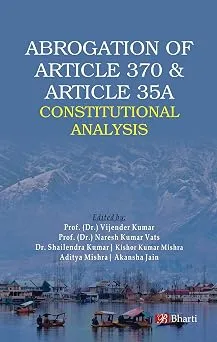
Download Cover Image
Do you want to download the full cover image for Abrogation of Article 370 & Article 35A: Constitutional Analysis?