
Social Sector in India: COVID-19 Issues and Challenges
Prof. Sudhakar Patra, Ashok Bhukta
Hardcover
• 344 Pages
• inr 1280.00
• English
• 9789391681029
No ratings yet
| Publisher | Bharti Publications |
|---|---|
| Brand/Group | Bharti Publications |
| ISBN13 | 9789391681029 |
| ASIN/SKU | 9391681026 |
| Book Format | Hardcover |
| Language | English |
| Pages | 344 |
| List Price | inr 1280.00 |
| Publishing Date | 28/07/2021 |
| Dimensions | 16 x 2.5 x 23.75 |
| Weight | 750 |
| Book Code | BD00070173 |
Buy this Book
Amazon Stores
Ebook Stores
Other Stores
Discover Social Sector in India: COVID-19 Issues and Challenges by Prof. Sudhakar Patra. This book is published by Bharti Publications in Hardcover format, ISBN 9789391681029, ASIN 9391681026.
Book Description
The book “Social Sector in India: COVID-19 Issues and Challenges” is the outcome of 26 research papers contributed by Professors, Researchers and educationists in India. The book is customized into four sections, i.e. Education, Health, Drinking Water and sanitation. The research papers have focused on impact of COVID-19 on these subsectors. The book is immensely useful for the students at UG, PG and research level in India and abroad.
Author Biography
Author Biography will be added soon…
Editorial Reviews
Editorial Reviews will be added soon…
Book Summary
Social Sector in India: COVID-19 Issues and Challenges presents a comprehensive examination of the impact of the COVID-19 pandemic on India's social sector, with particular focus on education, health, drinking water, and sanitation. The book brings together research-based perspectives from academics and researchers to document the challenges, disruptions, and emerging concerns experienced across these critical areas during the pandemic.
The volume is the outcome of 26 research papers contributed by professors, researchers, and educationists from India, offering diverse academic perspectives on the social and developmental consequences of COVID-19. The contributions collectively examine how the pandemic affected essential social services and how individuals, institutions, and communities responded to unprecedented circumstances.
The book is organized into four thematic sections—Education, Health, Drinking Water, and Sanitation. This structure enables readers to examine the pandemic's impact on each subsector while also understanding the broader interconnections between public health, human development, essential services, and social well-being.
The education section explores the challenges created by the disruption of conventional educational systems during the pandemic. The sudden transition to alternative modes of learning raised important questions concerning accessibility, digital resources, educational continuity, and inequality. These experiences provide valuable insights into the need for more resilient and inclusive education systems capable of responding effectively to future crises.
The health section examines the wide-ranging consequences of COVID-19 for healthcare systems and communities. The pandemic placed extraordinary pressure on health infrastructure and highlighted the importance of preparedness, accessibility, public health interventions, and effective healthcare delivery. The research presented in this section contributes to a better understanding of the challenges faced by the health sector during this period.
The sections on drinking water and sanitation draw attention to the fundamental importance of basic services during a public-health crisis. Access to safe drinking water, sanitation, and hygiene became particularly significant in efforts to prevent the spread of infection. The research highlights the challenges associated with providing these essential services and their relationship with public health and social development.
Taken together, the contributions demonstrate that the consequences of the pandemic extended well beyond the immediate health crisis. COVID-19 exposed existing inequalities and vulnerabilities within India's social sector while also highlighting the importance of strengthening essential services, institutional capacity, infrastructure, and inclusive development strategies.
The book provides valuable research-based insights that can contribute to discussions on social-sector planning, public policy, crisis management, sustainable development, and post-pandemic recovery. The findings may also assist researchers and policymakers in identifying lessons that can strengthen India's preparedness for future public-health emergencies and other large-scale disruptions.
Overall, Social Sector in India: COVID-19 Issues and Challenges is a useful academic resource that brings together diverse research on some of the most important dimensions of India's social development during the pandemic. It will be particularly valuable for undergraduate and postgraduate students, research scholars, academicians, educationists, policymakers, and researchers in India and abroad who are interested in COVID-19, social-sector development, public health, education, water and sanitation, and related policy challenges.
The volume is the outcome of 26 research papers contributed by professors, researchers, and educationists from India, offering diverse academic perspectives on the social and developmental consequences of COVID-19. The contributions collectively examine how the pandemic affected essential social services and how individuals, institutions, and communities responded to unprecedented circumstances.
The book is organized into four thematic sections—Education, Health, Drinking Water, and Sanitation. This structure enables readers to examine the pandemic's impact on each subsector while also understanding the broader interconnections between public health, human development, essential services, and social well-being.
The education section explores the challenges created by the disruption of conventional educational systems during the pandemic. The sudden transition to alternative modes of learning raised important questions concerning accessibility, digital resources, educational continuity, and inequality. These experiences provide valuable insights into the need for more resilient and inclusive education systems capable of responding effectively to future crises.
The health section examines the wide-ranging consequences of COVID-19 for healthcare systems and communities. The pandemic placed extraordinary pressure on health infrastructure and highlighted the importance of preparedness, accessibility, public health interventions, and effective healthcare delivery. The research presented in this section contributes to a better understanding of the challenges faced by the health sector during this period.
The sections on drinking water and sanitation draw attention to the fundamental importance of basic services during a public-health crisis. Access to safe drinking water, sanitation, and hygiene became particularly significant in efforts to prevent the spread of infection. The research highlights the challenges associated with providing these essential services and their relationship with public health and social development.
Taken together, the contributions demonstrate that the consequences of the pandemic extended well beyond the immediate health crisis. COVID-19 exposed existing inequalities and vulnerabilities within India's social sector while also highlighting the importance of strengthening essential services, institutional capacity, infrastructure, and inclusive development strategies.
The book provides valuable research-based insights that can contribute to discussions on social-sector planning, public policy, crisis management, sustainable development, and post-pandemic recovery. The findings may also assist researchers and policymakers in identifying lessons that can strengthen India's preparedness for future public-health emergencies and other large-scale disruptions.
Overall, Social Sector in India: COVID-19 Issues and Challenges is a useful academic resource that brings together diverse research on some of the most important dimensions of India's social development during the pandemic. It will be particularly valuable for undergraduate and postgraduate students, research scholars, academicians, educationists, policymakers, and researchers in India and abroad who are interested in COVID-19, social-sector development, public health, education, water and sanitation, and related policy challenges.
Sample Chapters
Sample Chapters will be added soon…
Reader Reviews
No reviews yet.
Social Sector in India: COVID-19 Issues and Challenges
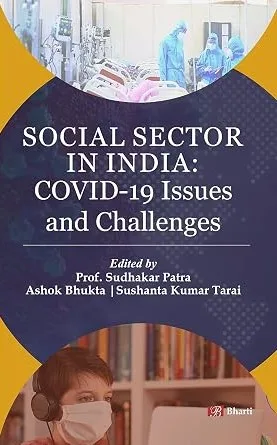
Download Cover Image
Do you want to download the full cover image for Social Sector in India: COVID-19 Issues and Challenges?