
Evolution of Gandhism
Prof. (Dr.) C. B. Bhange, Arbind Kumar
Hardcover
• 144 Pages
• inr 580.00
• English
• 978-93-89657-83-8
No ratings yet
| Publisher | Bharti Publications |
|---|---|
| Brand/Group | Bharti Publications |
| ISBN13 | 978-93-89657-83-8 |
| ASIN/SKU | 9389657830 |
| Book Format | Hardcover |
| Language | English |
| Pages | 144 |
| List Price | inr 580.00 |
| Publishing Date | 09/11/2020 |
| Dimensions | 25 x 15 x 3 |
| Weight | 580 |
| Book Code | BD00070669 |
Buy this Book
Amazon Stores
Ebook Stores
Other Stores
Discover Evolution of Gandhism by Prof. (Dr.) C. B. Bhange. This book is published by Bharti Publications in Hardcover format, ISBN 978-93-89657-83-8, ASIN 9389657830.
Book Description
The book “Evolution of Gandhism” This book has been compiled to study the various aspects of gandhi’s thoughts. Today, as the world travels in the direction of World War III, Gandhiji’s thoughts seem to be guiding us. The main purpose of this book is to study different aspects of Gandhiji’s thoughts. This book will be very useful for students and researchers studying Gandhiji’s thoughts. Gandhi is one of the great thinkers of the 19th century. Because of his non-violent role, he conveyed an important message of peace to the world. This book throws light on the Gandhiji’s social, political views and relevance of it in today’s world.
Author Biography
Author Biography will be added soon…
Editorial Reviews
Editorial Reviews will be added soon…
Book Summary
Evolution of Gandhism is an insightful study of the thoughts, principles, and philosophy of Mahatma Gandhi, one of the most influential thinkers and political leaders of modern history. The book has been compiled to examine different dimensions of Gandhian thought and to understand how his ideas continue to offer meaningful perspectives on social, political, economic, and ethical challenges in the contemporary world.
Mahatma Gandhi occupies a distinctive place in the history of political and social thought. His philosophy was deeply rooted in the principles of truth, non-violence, peace, justice, equality, and human dignity. Through his ideas and actions, Gandhi demonstrated that social and political transformation could be pursued through non-violent means. His approach not only influenced India's freedom movement but also inspired movements for civil rights, social justice, and peace across the world.
The book explores the evolution of Gandhian thought and examines its relevance in changing social and political circumstances. Gandhi's philosophy developed in response to the challenges of his time, yet many of the questions he addressed—violence, inequality, social discrimination, political conflict, economic injustice, and ethical governance—remain significant today. The continuing relevance of these issues makes the study of Gandhism particularly important for understanding the challenges confronting contemporary society.
A major focus of the book is Gandhi's social philosophy. His views on social equality, communal harmony, human dignity, rural development, education, social reform, and the upliftment of marginalized sections of society provide important insights into the construction of a more inclusive social order. Gandhi emphasized that political independence alone could not ensure true freedom unless society also addressed social inequalities and discrimination.
The book also examines Gandhi's political ideas, particularly his approach to non-violent resistance, civil disobedience, democracy, leadership, and public participation. His political philosophy challenged the conventional understanding of power and emphasized the importance of moral responsibility in public life. The Gandhian approach suggests that political action should be guided not merely by the pursuit of power but by ethical principles and concern for the welfare of society.
Another important dimension explored in the book is the role of non-violence and peace in addressing conflicts. In an era marked by international tensions, armed conflicts, and the possibility of large-scale destruction, Gandhi's commitment to non-violence offers an alternative framework for resolving disputes. His belief that lasting peace cannot be achieved through violence alone continues to encourage debate about peaceful conflict resolution and international harmony.
The book further considers the relevance of Gandhian thought in the present and future. As the world faces complex challenges involving political instability, social divisions, economic inequality, environmental concerns, and conflicts among communities and nations, Gandhi's emphasis on ethical conduct, peaceful dialogue, social responsibility, and human welfare remains significant. His philosophy invites individuals and institutions to reconsider the relationship between means and ends and to pursue development without compromising human values.
Evolution of Gandhism therefore goes beyond a historical account of Gandhi's ideas. It seeks to understand the continuing evolution, interpretation, and applicability of Gandhian philosophy in a changing world. By examining his social and political views alongside contemporary challenges, the book encourages readers to reflect on how Gandhian principles can contribute to a more peaceful, equitable, and humane society.
The book will be particularly useful for students, researchers, academicians, and readers interested in Gandhian studies, political science, sociology, history, peace studies, social reform, and contemporary political thought. It provides an accessible and meaningful exploration of Gandhi's philosophy and its enduring relevance to the present and future.
Mahatma Gandhi occupies a distinctive place in the history of political and social thought. His philosophy was deeply rooted in the principles of truth, non-violence, peace, justice, equality, and human dignity. Through his ideas and actions, Gandhi demonstrated that social and political transformation could be pursued through non-violent means. His approach not only influenced India's freedom movement but also inspired movements for civil rights, social justice, and peace across the world.
The book explores the evolution of Gandhian thought and examines its relevance in changing social and political circumstances. Gandhi's philosophy developed in response to the challenges of his time, yet many of the questions he addressed—violence, inequality, social discrimination, political conflict, economic injustice, and ethical governance—remain significant today. The continuing relevance of these issues makes the study of Gandhism particularly important for understanding the challenges confronting contemporary society.
A major focus of the book is Gandhi's social philosophy. His views on social equality, communal harmony, human dignity, rural development, education, social reform, and the upliftment of marginalized sections of society provide important insights into the construction of a more inclusive social order. Gandhi emphasized that political independence alone could not ensure true freedom unless society also addressed social inequalities and discrimination.
The book also examines Gandhi's political ideas, particularly his approach to non-violent resistance, civil disobedience, democracy, leadership, and public participation. His political philosophy challenged the conventional understanding of power and emphasized the importance of moral responsibility in public life. The Gandhian approach suggests that political action should be guided not merely by the pursuit of power but by ethical principles and concern for the welfare of society.
Another important dimension explored in the book is the role of non-violence and peace in addressing conflicts. In an era marked by international tensions, armed conflicts, and the possibility of large-scale destruction, Gandhi's commitment to non-violence offers an alternative framework for resolving disputes. His belief that lasting peace cannot be achieved through violence alone continues to encourage debate about peaceful conflict resolution and international harmony.
The book further considers the relevance of Gandhian thought in the present and future. As the world faces complex challenges involving political instability, social divisions, economic inequality, environmental concerns, and conflicts among communities and nations, Gandhi's emphasis on ethical conduct, peaceful dialogue, social responsibility, and human welfare remains significant. His philosophy invites individuals and institutions to reconsider the relationship between means and ends and to pursue development without compromising human values.
Evolution of Gandhism therefore goes beyond a historical account of Gandhi's ideas. It seeks to understand the continuing evolution, interpretation, and applicability of Gandhian philosophy in a changing world. By examining his social and political views alongside contemporary challenges, the book encourages readers to reflect on how Gandhian principles can contribute to a more peaceful, equitable, and humane society.
The book will be particularly useful for students, researchers, academicians, and readers interested in Gandhian studies, political science, sociology, history, peace studies, social reform, and contemporary political thought. It provides an accessible and meaningful exploration of Gandhi's philosophy and its enduring relevance to the present and future.
Sample Chapters
Sample Chapters will be added soon…
Reader Reviews
No reviews yet.
Evolution of Gandhism
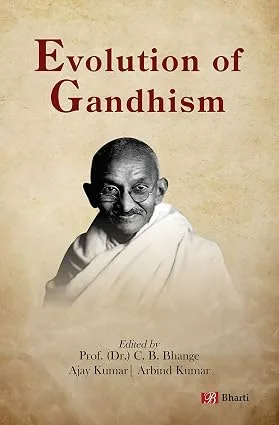
Download Cover Image
Do you want to download the full cover image for Evolution of Gandhism?