
Exploring the Interface of Gender, Law and Human Rights: An Academic Inquiry
Dr. Madhuri Irene, Dr. Manpreet Grewal
Hardcover
• 244 Pages
• inr 980.00
• English
• 978-93-49566-93-4
No ratings yet
| Publisher | Bharti Publications |
|---|---|
| Brand/Group | Bharti Publications |
| ISBN13 | 978-93-49566-93-4 |
| ASIN/SKU | 9349566931 |
| Book Format | Hardcover |
| Language | English |
| Pages | 244 |
| List Price | inr 980.00 |
| Publishing Date | 27/06/2025 |
| Dimensions | 16 x 2.5 x 24 |
| Weight | 450 |
| Book Code | BD00070674 |
Buy this Book
Amazon Stores
Ebook Stores
Other Stores
Discover Exploring the Interface of Gender, Law and Human Rights: An Academic Inquiry by Dr. Madhuri Irene. This book is published by Bharti Publications in Hardcover format, ISBN 978-93-49566-93-4, ASIN 9349566931.
Book Description
This book emerges from years of academic research, teaching, and engagement with gender justice movements. It is both a scholarly exploration and a call to action—a recognition that while legal institutions can be sites of oppression; they can also be reclaimed as instruments of liberation. The chapters that follow interrogate the promises and pitfalls of legal interventions in gender justice, from constitutional protections to international human rights treaties. This Book has been both challenging and deeply rewarding. It has required us to confront uncomfortable truths about the limitations of law while also recognizing its transformative potential. Our hope is that readers will come away with a nuanced understanding of how gender, law, and human rights intersect—and how we might reimage these intersections to create a more just world.
Author Biography
Author Biography will be added soon…
Editorial Reviews
Editorial Reviews will be added soon…
Book Summary
This book emerges from years of academic research, teaching, and engagement with movements for gender justice. It brings together scholarly inquiry and a call for meaningful social transformation, examining the complex relationship between gender, law, and human rights. At its core, the book recognizes that law can function in contradictory ways: it may reproduce existing structures of inequality and oppression, but it can also become a powerful instrument for achieving equality, dignity, and liberation.
The book critically examines the promises, possibilities, and limitations of legal interventions in the pursuit of gender justice. It explores how legal institutions, constitutional frameworks, judicial processes, and international human rights mechanisms respond to issues of gender inequality and discrimination. By examining both achievements and shortcomings, the book encourages readers to look beyond the assumption that legal reform alone can eliminate deeply rooted social inequalities.
A significant focus of the book is the relationship between constitutional protections and gender justice. Constitutional principles relating to equality, non-discrimination, liberty, dignity, and fundamental rights provide important foundations for challenging discriminatory practices. However, the effectiveness of these protections depends upon how laws are interpreted, implemented, and experienced by individuals and communities. The book therefore considers the gap that may exist between legal guarantees and lived realities.
The discussion also extends to international human rights treaties and frameworks, highlighting their role in advancing women's rights, gender equality, and broader human rights protections. International legal instruments have contributed to the development of global standards concerning discrimination, violence, equality, and dignity. At the same time, their implementation can encounter social, cultural, institutional, and political barriers. Understanding these complexities is essential for evaluating the actual impact of international human rights law.
The book takes a critical approach to the role of legal institutions. While courts, legislatures, and other institutions can provide avenues for challenging injustice, they may also reflect or reinforce existing social structures. Legal systems do not operate independently of society; they are shaped by prevailing ideas about gender, power, identity, and social relationships. Consequently, achieving genuine gender justice requires not only legal reform but also broader changes in social attitudes, institutions, and practices.
An important contribution of the book is its emphasis on intersectionality and lived experiences. Gender-based inequalities cannot always be understood through gender alone. Social and economic circumstances, access to resources, discrimination, and other forms of inequality can influence how individuals experience the law and human rights. A meaningful approach to gender justice must therefore recognize diverse experiences and ensure that legal protections are accessible and responsive to those who are most vulnerable.
The book ultimately invites readers to rethink the relationship between law and social transformation. Rather than viewing law simply as an instrument imposed upon society, it explores how legal institutions and frameworks can be challenged, reshaped, and reclaimed as tools for empowerment and liberation. It asks important questions about who the law serves, whose voices are heard, and how legal systems can become more inclusive and responsive.
Overall, this book provides a nuanced examination of the intersection of gender, law, and human rights. It acknowledges the limitations of legal intervention while recognizing the transformative possibilities that law can offer when combined with social movements, institutional reform, public awareness, and collective action. It encourages readers to move beyond simplistic understandings of legal solutions and to consider how legal and social strategies can work together to create more equitable and inclusive societies.
The book will be particularly valuable for students, researchers, academicians, legal professionals, human rights practitioners, policymakers, gender studies scholars, and members of social justice movements. By bringing critical scholarship into conversation with the practical pursuit of gender justice, it provides an important foundation for understanding existing challenges and reimagining the possibilities of law and human rights in the creation of a more just world.
The book critically examines the promises, possibilities, and limitations of legal interventions in the pursuit of gender justice. It explores how legal institutions, constitutional frameworks, judicial processes, and international human rights mechanisms respond to issues of gender inequality and discrimination. By examining both achievements and shortcomings, the book encourages readers to look beyond the assumption that legal reform alone can eliminate deeply rooted social inequalities.
A significant focus of the book is the relationship between constitutional protections and gender justice. Constitutional principles relating to equality, non-discrimination, liberty, dignity, and fundamental rights provide important foundations for challenging discriminatory practices. However, the effectiveness of these protections depends upon how laws are interpreted, implemented, and experienced by individuals and communities. The book therefore considers the gap that may exist between legal guarantees and lived realities.
The discussion also extends to international human rights treaties and frameworks, highlighting their role in advancing women's rights, gender equality, and broader human rights protections. International legal instruments have contributed to the development of global standards concerning discrimination, violence, equality, and dignity. At the same time, their implementation can encounter social, cultural, institutional, and political barriers. Understanding these complexities is essential for evaluating the actual impact of international human rights law.
The book takes a critical approach to the role of legal institutions. While courts, legislatures, and other institutions can provide avenues for challenging injustice, they may also reflect or reinforce existing social structures. Legal systems do not operate independently of society; they are shaped by prevailing ideas about gender, power, identity, and social relationships. Consequently, achieving genuine gender justice requires not only legal reform but also broader changes in social attitudes, institutions, and practices.
An important contribution of the book is its emphasis on intersectionality and lived experiences. Gender-based inequalities cannot always be understood through gender alone. Social and economic circumstances, access to resources, discrimination, and other forms of inequality can influence how individuals experience the law and human rights. A meaningful approach to gender justice must therefore recognize diverse experiences and ensure that legal protections are accessible and responsive to those who are most vulnerable.
The book ultimately invites readers to rethink the relationship between law and social transformation. Rather than viewing law simply as an instrument imposed upon society, it explores how legal institutions and frameworks can be challenged, reshaped, and reclaimed as tools for empowerment and liberation. It asks important questions about who the law serves, whose voices are heard, and how legal systems can become more inclusive and responsive.
Overall, this book provides a nuanced examination of the intersection of gender, law, and human rights. It acknowledges the limitations of legal intervention while recognizing the transformative possibilities that law can offer when combined with social movements, institutional reform, public awareness, and collective action. It encourages readers to move beyond simplistic understandings of legal solutions and to consider how legal and social strategies can work together to create more equitable and inclusive societies.
The book will be particularly valuable for students, researchers, academicians, legal professionals, human rights practitioners, policymakers, gender studies scholars, and members of social justice movements. By bringing critical scholarship into conversation with the practical pursuit of gender justice, it provides an important foundation for understanding existing challenges and reimagining the possibilities of law and human rights in the creation of a more just world.
Sample Chapters
Sample Chapters will be added soon…
Reader Reviews
No reviews yet.
Exploring the Interface of Gender, Law and Human Rights: An Academic Inquiry
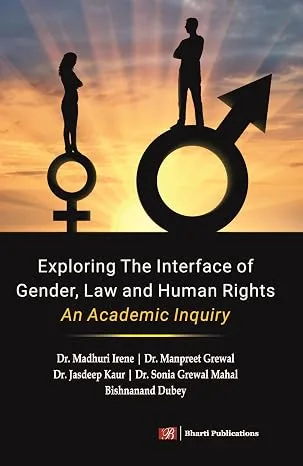
Download Cover Image
Do you want to download the full cover image for Exploring the Interface of Gender, Law and Human Rights: An Academic Inquiry?